
Compare Generac Generator Sizes – Find the Right Backup Power for Your Needs
Picking the right generator doesn’t have to be confusing. This guide breaks down Generac sizes and outputs so you can match a unit to your actual power needs. We’ll walk you through how to calculate what you need, the practical differences between portable and standby models, and typical price ranges. Whether you’re a homeowner worried about outages or a business owner needing reliable backup power, this overview will help you choose a Generac that keeps the lights on when it matters most.
What Are the Different Generac Generator Sizes and Their Power Outputs?
Generac makes units for a wide range of needs — from small portable sets to full-house standby systems. Knowing the available sizes and their power ratings makes it easier to pick a model that fits your home or business without overspending or under-sizing.
How Is Generator Wattage Measured and Why Does It Matter?
Wattage (W) tells you how much electrical power a generator can supply. It’s the key number for deciding which appliances and systems you can run at once. Higher wattage means you can power more devices simultaneously, which is important for larger homes or commercial spaces. Use wattage totals to avoid overloading the generator and to ensure it covers the loads you care about.
What Are Typical Wattage Ranges for Generac Portable and Standby Generators?
Generac portable generators generally sit between about 2,000 and 10,000 watts — enough for essential appliances, tools, or recreational power. Standby models typically range from roughly 7,000 up to 22,000 watts, which can support whole-house needs like HVAC systems, refrigerators, and other high-demand equipment. Compare these ranges to your calculated needs to choose the right category.
How to Choose the Right Generac Generator Size for Your Home or Business?
Choosing the correct size means matching the generator’s capacity to your expected loads. Residential and commercial needs can differ significantly, so evaluate the appliances and equipment you need powered during an outage before you buy.
What Power Needs Should You Consider for Residential vs Commercial Use?
For most homes, essential loads — lights, refrigerator, some HVAC — usually total between 5,000 and 10,000 watts. Commercial setups often demand more capacity because of machinery, larger HVAC systems, or multiple circuits, and may need 15,000 watts or more depending on operations. Start with a list of critical equipment to get a realistic wattage target.
How Do Fuel Types and Efficiency Affect Generator Size Selection?
Fuel choice affects runtime, convenience, and emissions. Gasoline models are common on portable units and are easy to refuel but need more frequent attention. Propane and natural gas options run cleaner and can operate longer without refueling — natural gas can provide continuous supply if you have a utility connection. Consider availability, runtime needs, and maintenance when weighing fuel types.
What Are the Key Differences Between Generac Portable and Standby Generators?
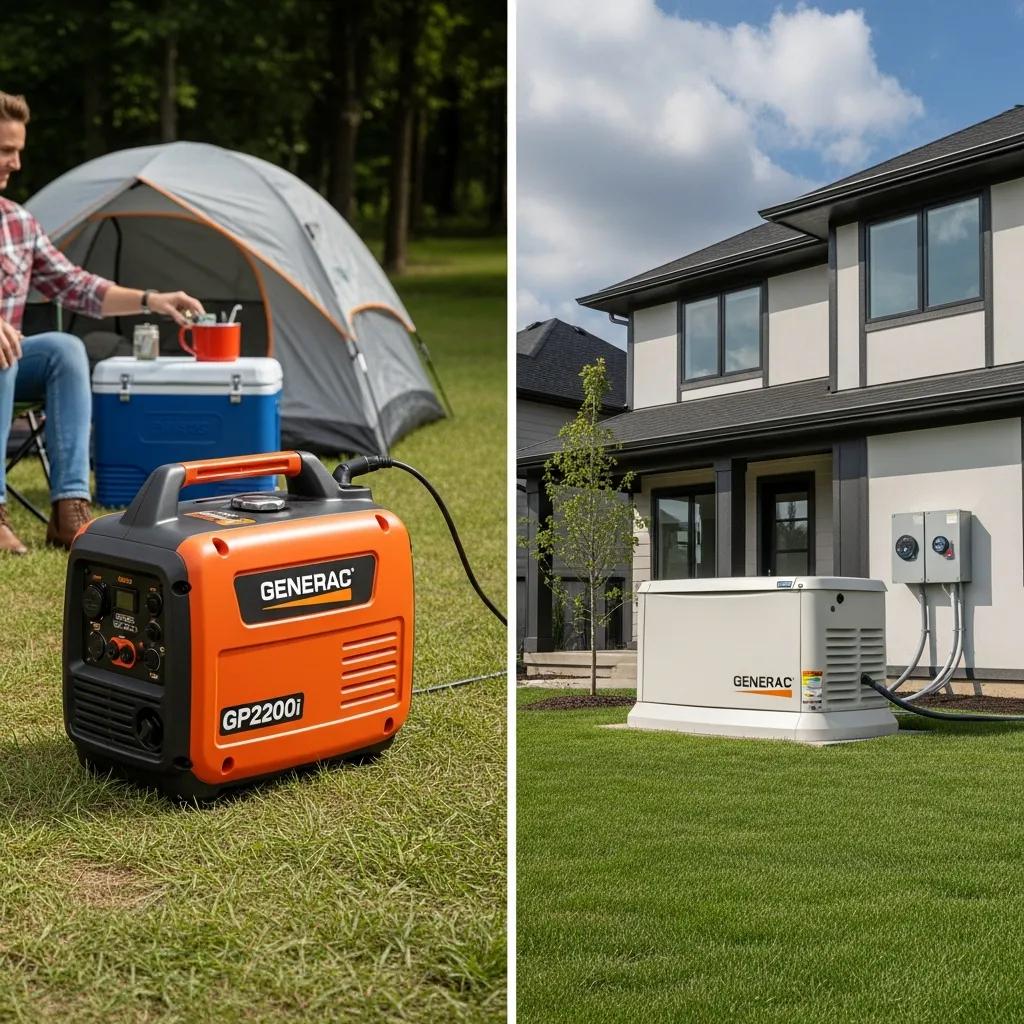
Portable and standby Generac units serve different use cases. The choice comes down to how much power you need, whether you want automatic transfer during outages, and how permanent you want the solution to be.
How Do Portable Generators Compare to Standby Models in Size and Power?
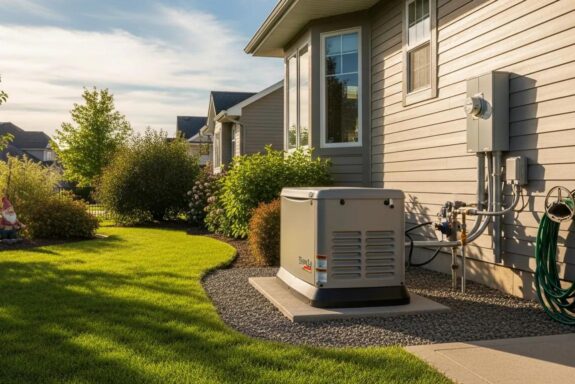
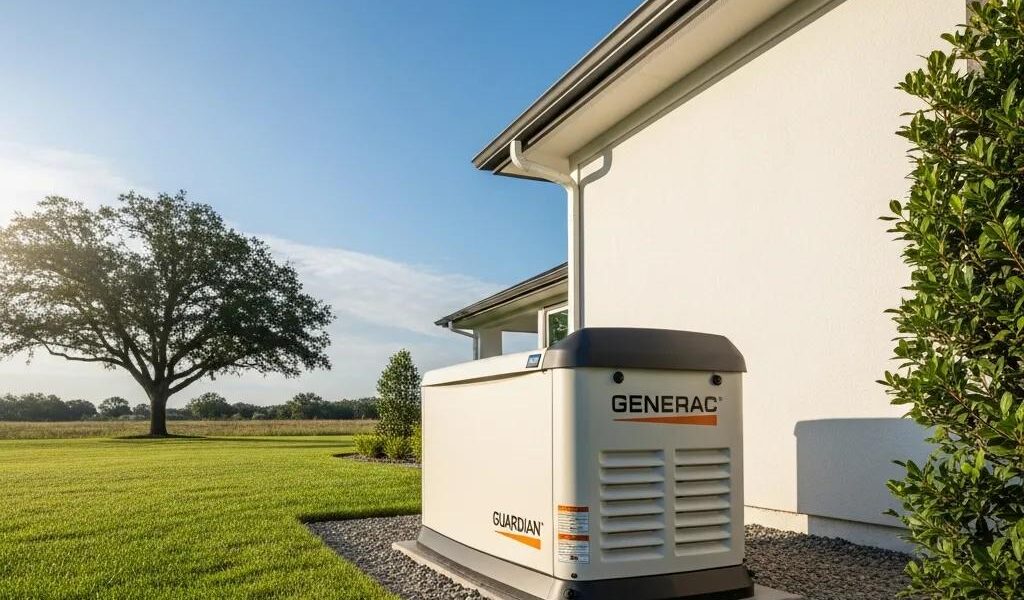
Portable generators are compact and transportable, ideal for temporary power or job sites. Standby generators are permanently installed and can automatically kick in when the grid fails, giving you seamless backup for an entire home or business. If you want hands-off protection and full-house coverage, a standby model is the better choice.
What Installation Options and Maintenance Are Required for Each Type?
Portable units need minimal setup — place them outdoors in a ventilated spot and connect the loads you want to run. Standby units require professional installation: wiring, fuel connections, and often a concrete pad. Maintenance differs too: portable units need regular oil and fuel checks, while standby generators need scheduled inspections and servicing to ensure they’ll start and run reliably when called upon.
What Is the Price Range for Different Generac Generator Sizes and Models?
Generator cost varies with size, type, and added features. Knowing typical price bands helps you budget for both the unit and any installation work.
How Does Generator Size Influence the Cost of Generac Models?
Higher-capacity units generally cost more because they include larger engines and more robust components. Portable Generac models commonly range from about $500 to $2,500. Standby systems — which include more powerful engines and installation costs — typically run from roughly $3,000 to $20,000 or more, depending on capacity and options.
What Are Common FAQs About Comparing Generac Generator Sizes?
Buyers often have the same practical questions when comparing models. Clear answers about sizing, fuel, and installation make the decision easier.
How Do I Determine the Best Generac Generator Size for My Power Needs?
Start by listing the appliances and systems you want to power, then add their starting and running wattages to get a total. That total points you to the minimum generator size. Allow some headroom for future needs or additional loads to avoid overloading the system.
What Are the Differences Between Fuel Types in Generac Generators?
Generac units run on gasoline, propane, or natural gas. Gasoline is common and easy to source for portable use. Propane gives cleaner burning and longer shelf life, while natural gas offers continuous supply without refueling if you have a utility connection. Choose the fuel that fits your site, runtime expectations, and maintenance preferences.
Choosing the right Generac generator comes down to matching capacity, fuel type, and installation to your specific needs. Assess your essential loads, consider whether automatic standby protection is worth the investment, and weigh fuel and maintenance factors. With the right size and setup, a Generac generator delivers dependable backup power that keeps your home or business running through outages. Ready to explore options? Browse Generac models or contact a specialist to find the best fit for your situation.